Addressing the Noise Problem in America's Fastest-growing Sport
The Story
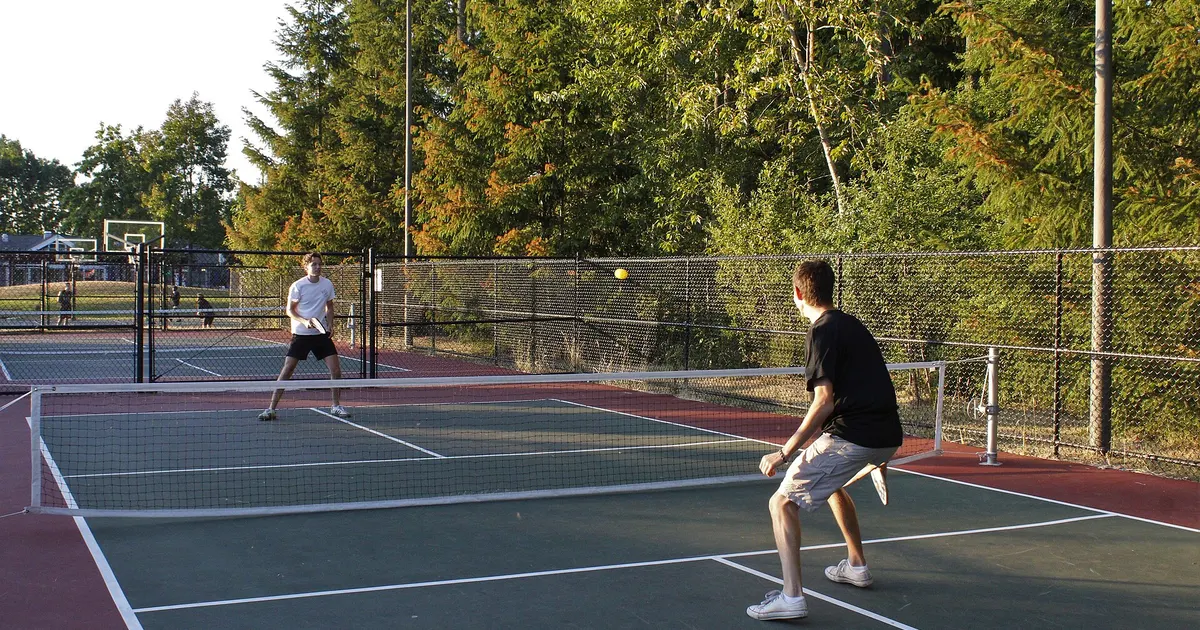
Pickleball's explosive growth into America's most popular new sport has come with an unexpected consequence: a wave of noise complaints, lawsuits, and community battles over the distinctive sharp pop of the plastic ball striking a hard paddle. The sound registers around 1,200 Hz, a frequency at which human hearing is exceptionally sensitive and that has proven more irritating to neighbors than the lower-pitched sounds of tennis, driving residents in dozens of cities to petition governments, file lawsuits, and block new court construction.
Communities have responded with a patchwork of local ordinances requiring courts to be set back 150 to 500 feet from residences, mandating sound-absorbing barriers, and restricting play to specific hours. The conflict has exposed the tension between pickleball's genuinely inclusive appeal across age groups and the real land-use challenges of rapidly scaling a sport that generates significant noise in dense residential neighborhoods.
Communities have responded with a patchwork of local ordinances requiring courts to be set back 150 to 500 feet from residences, mandating sound-absorbing barriers, and restricting play to specific hours. The conflict has exposed the tension between pickleball's genuinely inclusive appeal across age groups and the real land-use challenges of rapidly scaling a sport that generates significant noise in dense residential neighborhoods.
Why It Matters
A court hearing date is not a court ruling. Boston 25 reported on August 25, 2026 that a Methuen resident had sued to close the pickleball courts behind his home, with a hearing scheduled for September 8. The city had promised restricted hours and acoustic wraps; residents said their elevated homes left them exposed to the noise. The suit sought closure rather than punitive damages, putting public recreation against neighbors' use of their homes. A published ruling is needed next before anyone can say whether those courts must close.
Go Deeper
Read the original reporting at CNN.
Read Full Story at CNN →