Daniel Ellsberg's Fight for Transparent War Coverage
The Story
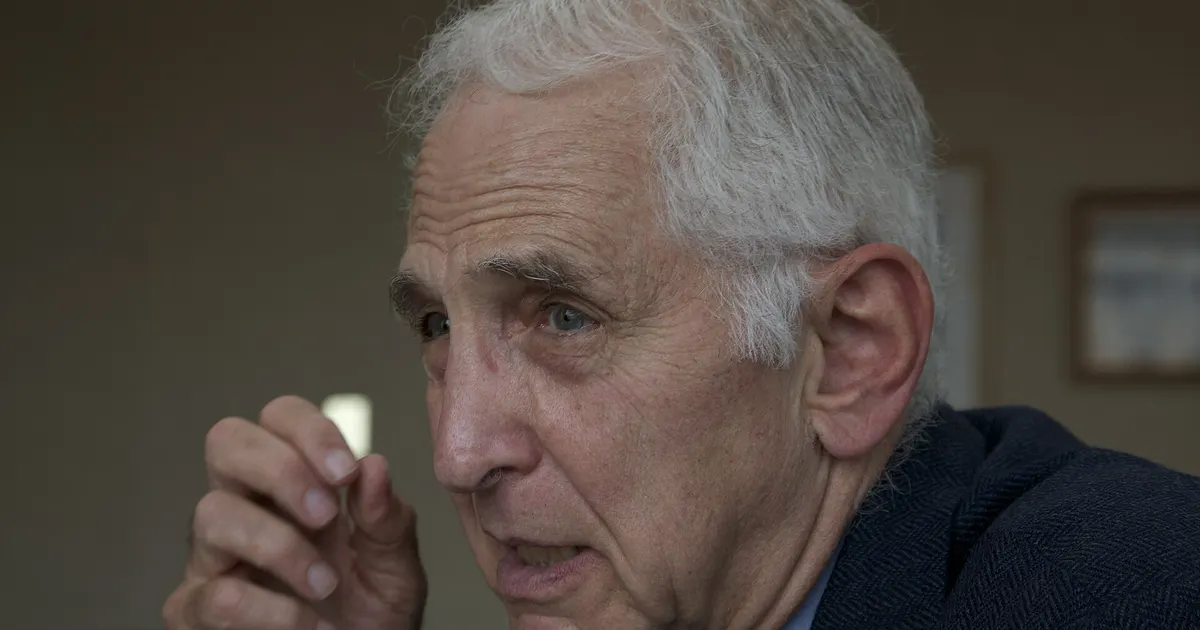
Daniel Ellsberg, the military analyst who leaked the Pentagon Papers to The New York Times and The Washington Post in 1971, died on June 16, 2023, at the age of 92 from pancreatic cancer, ending the life of one of the defining figures of American whistleblowing and press freedom. Ellsberg's decision to copy and release 7,000 pages of classified Defense Department history documenting decades of presidential deception about the Vietnam War stands as one of the most consequential acts of civil disobedience in American history.
The Nixon administration's efforts to suppress publication produced a defining Supreme Court ruling affirming press freedom against prior restraint, while the criminal case against Ellsberg was ultimately dismissed after it emerged that government operatives had broken into his psychiatrist's office to discredit him using tactics later replicated in Watergate. Ellsberg remained an outspoken advocate for nuclear disarmament and government transparency throughout his life, later disclosing he had retained classified nuclear war planning documents, arguing that the public's right to understand the risks their government was taking on their behalf superseded secrecy laws.
The Nixon administration's efforts to suppress publication produced a defining Supreme Court ruling affirming press freedom against prior restraint, while the criminal case against Ellsberg was ultimately dismissed after it emerged that government operatives had broken into his psychiatrist's office to discredit him using tactics later replicated in Watergate. Ellsberg remained an outspoken advocate for nuclear disarmament and government transparency throughout his life, later disclosing he had retained classified nuclear war planning documents, arguing that the public's right to understand the risks their government was taking on their behalf superseded secrecy laws.
Why It Matters
The prior restraint Ellsberg beat in 1971 has given way to a quieter tool, the grand jury subpoena. In July 2026 FBI agents delivered subpoenas at the homes of New York Times reporters over stories on the $400m Qatari jet serving as Air Force One, and the Justice Department withdrew them only after the paper moved to quash, per The Guardian. Rep. Rashida Tlaib's Daniel Ellsberg Act, introduced in March, would stop prosecutors treating reporters and sources as spies. The nearer test is Todd Blanche, who authorized the Times subpoenas as acting attorney general; the Senate Judiciary Committee advanced him in August, per the Reporters Committee, and the full Senate votes next.
Go Deeper
Read the original reporting at NPR.
Read Full Story at NPR →