Hydropower Shortfall Leads to Record Global Emissions in 2023
The Story
A worldwide shortfall in hydroelectric power helped push energy related carbon dioxide emissions to a record in 2023, according to International Energy Agency data.
Global energy related emissions rose about 1.1 percent over the prior year, and the drop in hydropower accounted for roughly 40 percent of that increase.
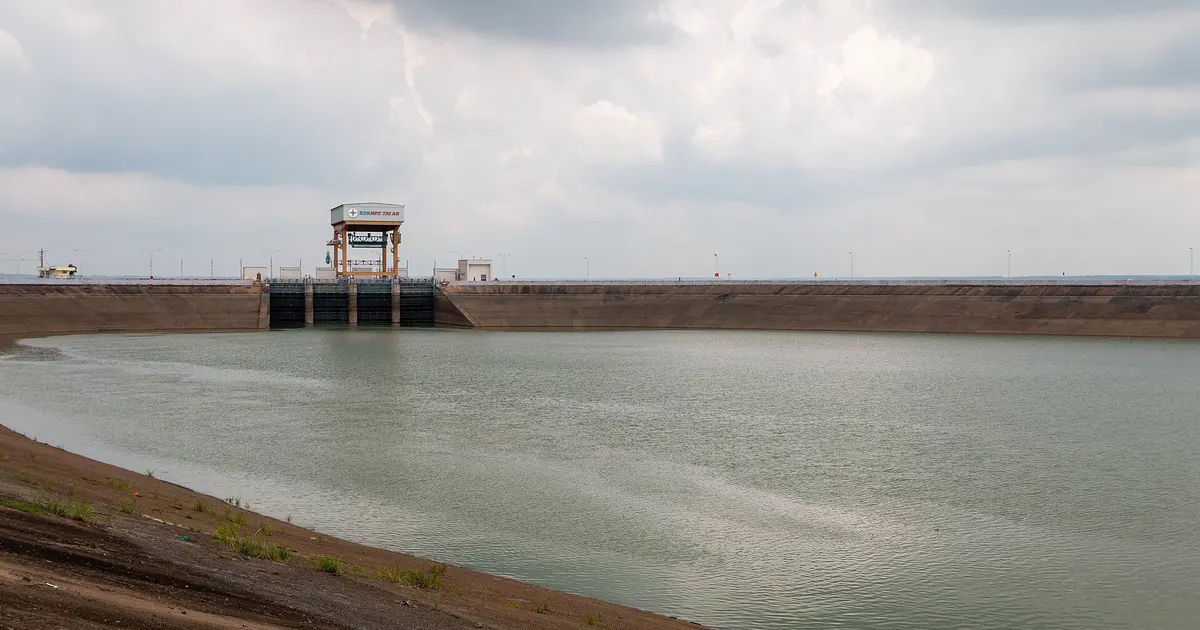
Severe droughts, intensified by El Nino conditions, cut generation sharply, with hydroelectric output in China falling about 4.9 percent while North America faced dry weather.
The world actually added around 20 gigawatts of new hydropower capacity in 2023, yet total generation still fell because reservoirs lacked water.
Coal and natural gas plants stepped in to fill the gap, directly driving emissions higher.
The IEA noted that the swing in hydropower output affected global emissions more than the rebound of the aviation industry between 2022 and 2023.
The episode showed how climate driven droughts can undermine the very clean energy infrastructure that depends on steady rainfall.
Global energy related emissions rose about 1.1 percent over the prior year, and the drop in hydropower accounted for roughly 40 percent of that increase.
Severe droughts, intensified by El Nino conditions, cut generation sharply, with hydroelectric output in China falling about 4.9 percent while North America faced dry weather.
The world actually added around 20 gigawatts of new hydropower capacity in 2023, yet total generation still fell because reservoirs lacked water.
Coal and natural gas plants stepped in to fill the gap, directly driving emissions higher.
The IEA noted that the swing in hydropower output affected global emissions more than the rebound of the aviation industry between 2022 and 2023.
The episode showed how climate driven droughts can undermine the very clean energy infrastructure that depends on steady rainfall.
Why It Matters
A record 37.4 billion tonnes of energy related CO2 went into the air in 2023, up 1.1 percent, and drought hit hydropower hard enough to drive roughly 40 percent of the rise, about 170 million tonnes Reuters. China's hydro output fell 4.9 percent, its worst decline in twenty years, Mexico's fell by nearly half, and coal and gas filled the gap the International Energy Agency. Recovery followed: global hydro rose 4.4 percent in 2024 and China's climbed 11 percent, yet records still fell, to 37.8 billion tonnes and nearly 38.4 billion. Drought returned in 2025 across Europe and South America, adding an estimated 40 million tonnes; grids banking on rain still pay in carbon when reservoirs drop.
Go Deeper
Read the original reporting at MIT Technology Review.
Read Full Story at MIT Technology Review →