How the New Deal Redefined the American State
The Story
The New Deal was a sweeping series of federal programs enacted between 1933 and 1938 under President Franklin D. Roosevelt to combat the Great Depression through relief, recovery, and reform.
Roosevelt won a landslide in 1932 as unemployment climbed toward 25 percent and roughly 9,490 banks failed, and his first hundred days produced the Emergency Banking Act and the Glass Steagall Act, which created the FDIC to insure deposits.
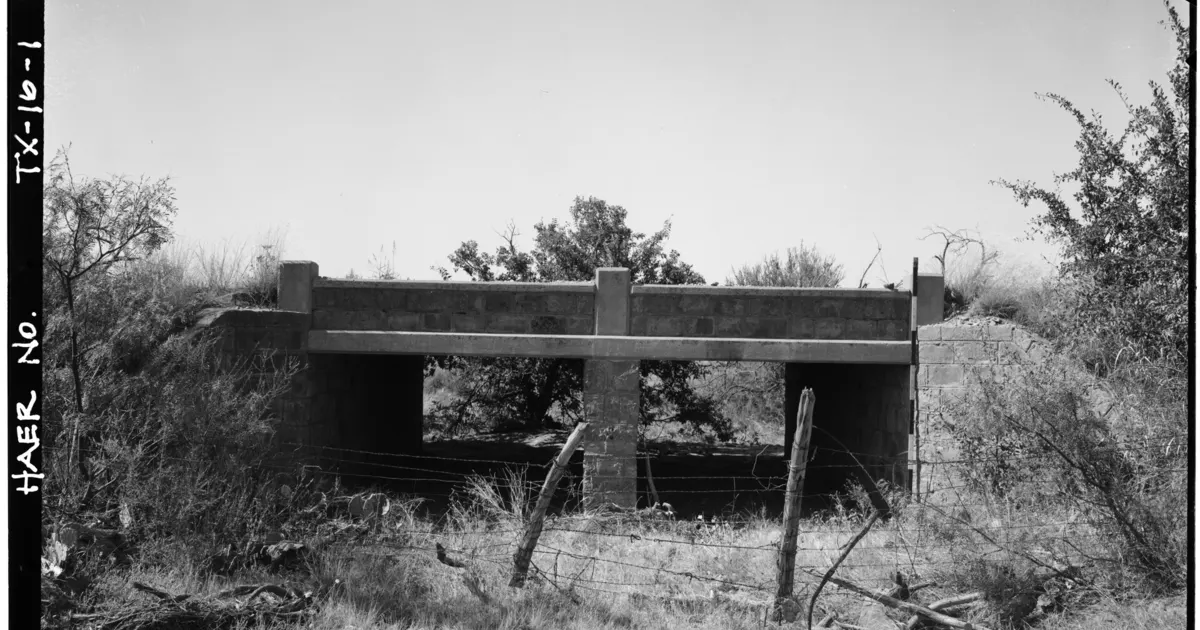
Work programs put millions to work, with the Civilian Conservation Corps employing about three million young men and the Public Works Administration and later the Works Progress Administration building bridges, parks, and libraries.
The Second New Deal added the Social Security Act, the National Labor Relations Act of 1935 protecting union organizing, and the Fair Labor Standards Act of 1938, which set a 40 hour workweek and a national minimum wage.
The Securities and Exchange Commission and the Tennessee Valley Authority extended federal oversight into markets and regional development.
These institutions built an enduring social safety net and forged a New Deal coalition that shaped American politics for decades.
By permanently expanding the federal role in the economy, the initiative redefined the relationship between the government and its citizens.
Roosevelt won a landslide in 1932 as unemployment climbed toward 25 percent and roughly 9,490 banks failed, and his first hundred days produced the Emergency Banking Act and the Glass Steagall Act, which created the FDIC to insure deposits.
Work programs put millions to work, with the Civilian Conservation Corps employing about three million young men and the Public Works Administration and later the Works Progress Administration building bridges, parks, and libraries.
The Second New Deal added the Social Security Act, the National Labor Relations Act of 1935 protecting union organizing, and the Fair Labor Standards Act of 1938, which set a 40 hour workweek and a national minimum wage.
The Securities and Exchange Commission and the Tennessee Valley Authority extended federal oversight into markets and regional development.
These institutions built an enduring social safety net and forged a New Deal coalition that shaped American politics for decades.
By permanently expanding the federal role in the economy, the initiative redefined the relationship between the government and its citizens.
Why It Matters
The New Deal rebuilt Washington's reach between 1933 and 1938 while a quarter of the workforce was jobless and roughly 9,000 banks had suspended operations since 1930 the FDIC's own history. The first hundred days produced the Emergency Banking Act and Glass Steagall, whose deposit insurance covered 12,551 banks when it took effect January 1, 1934. The Civilian Conservation Corps enrolled three million young men over its life, and the Works Progress Administration gave 8.5 million people jobs Britannica. Larger banks resisted deposit insurance, fearing they would subsidize smaller rivals, and by 1935 unemployment still exceeded 20 percent, feeding the standing argument over whether real recovery required the war.
Go Deeper
Read the original reporting at Wikipedia.
Read Full Story at Wikipedia →