The Rise and Fall of Civilizations According to Polybius
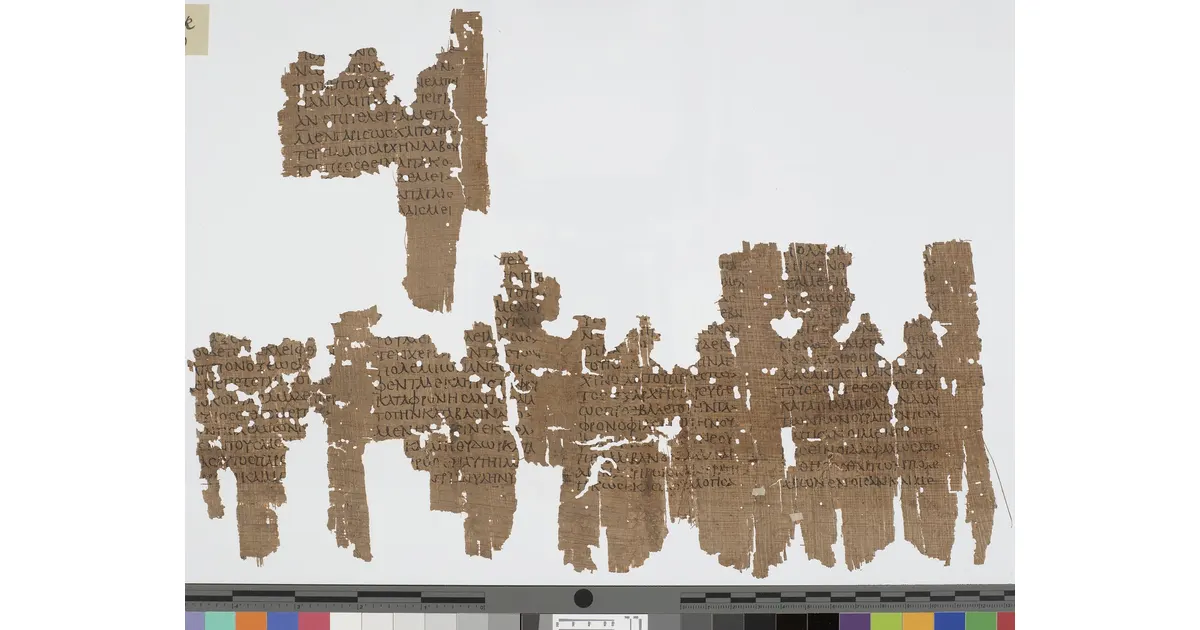
The Story
Polybius's theory of anacyclosis holds that every civilization moves through a predictable cycle in which each virtuous form of government inevitably decays into a corrupt version before the pattern begins again.
The ancient Greek historian traced this sequence from early societies without structure to kingship, which curdles into tyranny, then to aristocracy that hardens into oppressive oligarchy, and finally to democracy that degenerates into mob rule and anarchy.
He set out to explain how Rome conquered the known world and credited its success to a mixed constitution that balanced monarchy, aristocracy, and democracy through checks and balances.
According to Polybius, this careful distribution of power made it impossible to say whether Rome was a monarchy, an aristocracy, or a democracy, and it slowed the empire's slide toward collapse.
Even so, the Roman Republic still fell within roughly a century, suggesting that no system, however balanced, can permanently escape the cycle.
The pattern is presented as timeless and universal, with modern political upheavals such as recent transitions in Nepal echoing the same ancient rhythm of rise and decline.
The ancient Greek historian traced this sequence from early societies without structure to kingship, which curdles into tyranny, then to aristocracy that hardens into oppressive oligarchy, and finally to democracy that degenerates into mob rule and anarchy.
He set out to explain how Rome conquered the known world and credited its success to a mixed constitution that balanced monarchy, aristocracy, and democracy through checks and balances.
According to Polybius, this careful distribution of power made it impossible to say whether Rome was a monarchy, an aristocracy, or a democracy, and it slowed the empire's slide toward collapse.
Even so, the Roman Republic still fell within roughly a century, suggesting that no system, however balanced, can permanently escape the cycle.
The pattern is presented as timeless and universal, with modern political upheavals such as recent transitions in Nepal echoing the same ancient rhythm of rise and decline.
Why It Matters
Polybius did not draw his cycle from comfort: Rome deported him among a thousand hostage Greeks in 168 BCE, and he began the Histories after more than a decade detained in the victors' capital Antigone Journal. His explanation of Roman success rests on Book 6, where consuls, Senate and assemblies hold each other in check, the mixed constitution America's founders studied the Stanford Encyclopedia of Philosophy. Only five of his forty books survive whole, scholars still call him overly schematic, and Antifederalists quoted his decay sequence in 1787 to predict collapse into oligarchy, the same fear every wobbling republic inherits.
Go Deeper
Read the original reporting at Medium.
Read Full Story at Medium →