Victor Lustig: the Man Who Sold the Eiffel Tower Twice
The Story
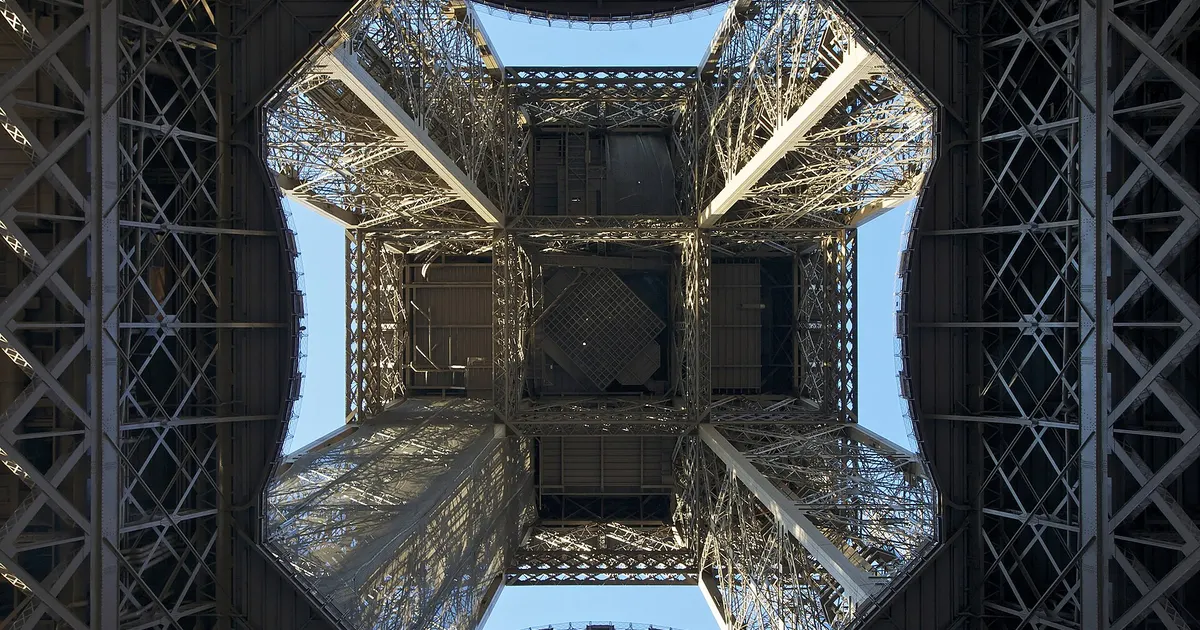
In May 1925, the con artist known as Count Victor Lustig sold the Eiffel Tower for scrap by posing as a French government official using forged official stationery from the Hotel de Crillon.
He told invited scrap metal dealers that engineering faults and hidden political problems made tearing down the building mandatory, then collected bids and a bribe before vanishing.
Emboldened, Lustig attempted the identical swindle a second time in Paris before fleeing to the United States.
Among his other schemes was a rigged money box that supposedly copied banknotes with radium, often run with his accomplice Dapper Dan Collins.
Beginning in 1930 he partnered with forger William Watts to produce counterfeit hundred dollar bills so convincing that they threatened confidence in the currency.
Secret Service agent Peter Rubano arrested him on May 10, 1935, and after a brief escape he was recaptured in Pittsburgh and sentenced to 20 years at Alcatraz as prisoner number 300.
Lustig died of pneumonia on March 11, 1947 in Springfield, Missouri, ending the life of one of history's most audacious swindlers.
He told invited scrap metal dealers that engineering faults and hidden political problems made tearing down the building mandatory, then collected bids and a bribe before vanishing.
Emboldened, Lustig attempted the identical swindle a second time in Paris before fleeing to the United States.
Among his other schemes was a rigged money box that supposedly copied banknotes with radium, often run with his accomplice Dapper Dan Collins.
Beginning in 1930 he partnered with forger William Watts to produce counterfeit hundred dollar bills so convincing that they threatened confidence in the currency.
Secret Service agent Peter Rubano arrested him on May 10, 1935, and after a brief escape he was recaptured in Pittsburgh and sentenced to 20 years at Alcatraz as prisoner number 300.
Lustig died of pneumonia on March 11, 1947 in Springfield, Missouri, ending the life of one of history's most audacious swindlers.
Why It Matters
A century after Count Victor Lustig sold the Eiffel Tower for scrap twice, his file reads like a working manual for fraud: forged government letterhead under a ministry seal, five summoned scrap dealers, a bribe from winning bidder Andre Poisson, then an identical rerun until a victim finally went to police Mental Floss. He also sold a radium money box and reportedly held Al Capone's cash for two months before returning it and collecting a reward for honesty. His marks ate the losses; federal authorities needed a counterfeiting ring threatening confidence in the dollar to cage him at Alcatraz. He died in custody March 11, 1947, his occupation recorded as apprentice salesman Smithsonian Magazine.
Go Deeper
Read the original reporting at Smithsonian Magazine.
Read Full Story at Smithsonian Magazine →