Who Pays for Free Dolly Parton Imagination Library Books
Trill News Original
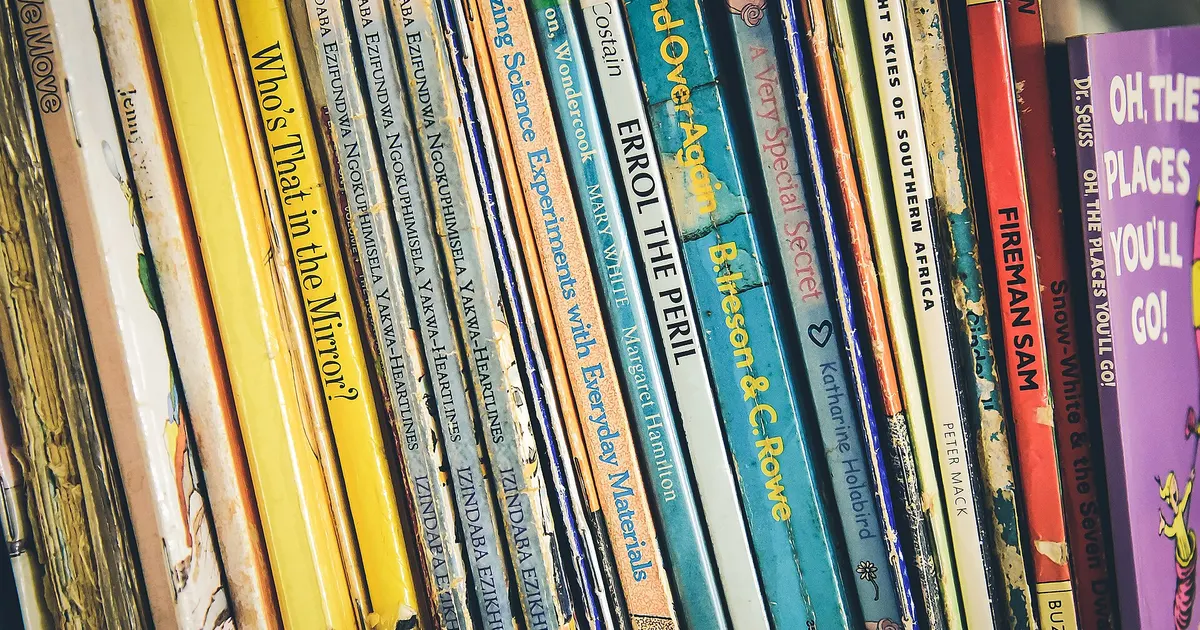
A Dolly Parton Imagination Library book arrives addressed to a child, and the family pays nothing for it. That part of the promise is real. The book is still not free. A local partner covering that child’s address has agreed to pay for the books and the postage, month after month. While that local money holds, the books keep coming. When it runs out, a parent can find that a program known across the country does not reach their street.
The split is worth understanding whether you are a parent trying to enroll a child or a supporter deciding where a donation would do the most good. The national organization runs the machinery. The money for the books themselves is raised locally.
What the Foundation pays for, and what it does not
The Imagination Library is a program of the Dollywood Foundation, a Tennessee nonprofit. Its United States overview describes the national side of the arrangement: it manages the central database behind its Book Order System, coordinates book selection and wholesale purchasing, coordinates the monthly mailings, and absorbs the program’s administrative costs.
That arrangement has outlived its founder. Parton died on August 25, 2026, and the Conversation explainer cited below reports that the program is continuing under the direction of the Dollywood Foundation’s president, Jeff Conyers.
What the Foundation does not cover is the per-child bill. The same page says Local Program Partners are responsible for securing funds to cover the wholesale cost of the books and the shipping fees, and that books are free to enrolled children because their partner has raised that money. A partner can be a business, a school district, an organization of almost any size, or an individual, but a nonprofit has to be involved, because the books travel at special nonprofit mailing rates that require one.
A Conversation explainer by Alex H. Poole, an associate professor of information science at Drexel University, puts a price on that local share: partners pay US$2.60 per month per child to cover buying books wholesale and mailing them. At that rate, one child costs a little over $31 a year, and a child enrolled from birth to age five could receive up to 60 books.
One month’s book, from order to mailbox
Follow a single book and the division of labor becomes concrete. A parent registers a child, and the local partner accepts that registration in the Book Order System. The Foundation’s overview page says partners promote their programs online and at events, and its guide to starting a program suggests giving one member of the local support team the database work of entering new registrations and updating addresses.
The titles come from a selection committee of educators and librarians, according to the Conversation explainer, which adds that nearly all are published by Penguin Random House. Every child starts with “The Little Engine That Could” and finishes with “Look Out Kindergarten, Here I Come!”
Fulfillment then moves through operational partners the Foundation names on its partners page. A direct mail company updates the mailing lists every month, then sorts, labels, bags and packages the books for bulk shipment through the United States Postal Service. The Foundation’s 2024 materials for funders say local partners cover only the at-cost price of books and mailing for children registered in their coverage area.
Timing follows from that monthly cycle. The Foundation’s help center tells parents that the first book can take up to eight to twelve weeks to arrive after registration, because book orders are placed a month in advance.
The local bill, and who usually covers it
Because each partner funds a defined territory, coverage is drawn as a map. The Foundation’s overview tells prospective partners to choose a county, city, school district or set of ZIP codes, count the children under five who live there, and use its cost estimator to price five years of books.
The overview lists the usual sources of that money: United Way chapters, service clubs such as Rotary and Kiwanis, local foundations, businesses, chambers of commerce and individual donors. The partners page adds that local United Ways often serve as the required nonprofit, raise funds and register children. The Conversation explainer counts schools, public libraries and government agencies among the partners as well.
One feature of this model is easy to miss. The cost rises with success. Every additional child enrolled adds another monthly book to the local bill, so a sign-up drive that works also raises the amount its sponsor must find, for as long as each child stays enrolled.
A state match is an example, not the formula
Some states add public money on top of local fundraising. These arrangements vary by state and should not be read as the national model.
California is one example. Its state program page, read on October 19, 2026, says community programs raise 50 percent of the cost and the state matches the other 50 percent. The page tells donors that, with the state match, $15.50 provides a child with a book each month for a year, which is roughly half of the Conversation explainer’s per-child figure. The same page warns that as more children enroll, community programs must raise more funds to keep every ZIP code eligible.
Washington shows how much rides on that public half. In late August, KIRO 7 reported that the Legislature had cut the state’s 50 percent match in its most recent budget, leaving the program to rely on private donations. Some local affiliates dropped out when the state money disappeared, and the state program’s executive director said major foundations had stepped in to stabilize it, though gaps remained. State schools superintendent Chris Reykdal argued that the cut broke a promise to communities that had raised their half. In mid-September, KUOW reported the director’s account that children in King County had waited more than a year for new books, and that new families could not enroll, before a Seattle children’s literacy nonprofit agreed to help pay.
The lesson for families is not about one state. A state match can lower what a community must raise, and its withdrawal can push that whole cost back onto local donors.
What a parent or supporter can do next
For a parent, the first step is the official Check Availability tool at imaginationlibrary.com; a Find My Program page also lets you look up local partners by map, partner name or postcode. If no program covers your address, the Foundation’s help center says the availability tool offers a New Program Alert, which notifies you if service begins and shows potential funders how many families are waiting. Moving carries a similar caveat: the help center asks families to give their local partner the new address, and says it cannot guarantee a program will exist in the new neighborhood.
For a supporter, the useful question is local. The Foundation’s help center says that because it covers overhead, money raised locally goes back into the community, and its donation form lets givers pick a specific local partner or make a general gift. In a state with a match, a local gift may be paired with public money. Where no match exists, or where one has been cut, local donors carry the whole bill.
Either way, a free book in the mailbox is a promise someone nearby keeps paying for. The next thing to check is who that someone is where your child lives.