Why Greenhouses Are Winning the Indoor Farming Race
The Story
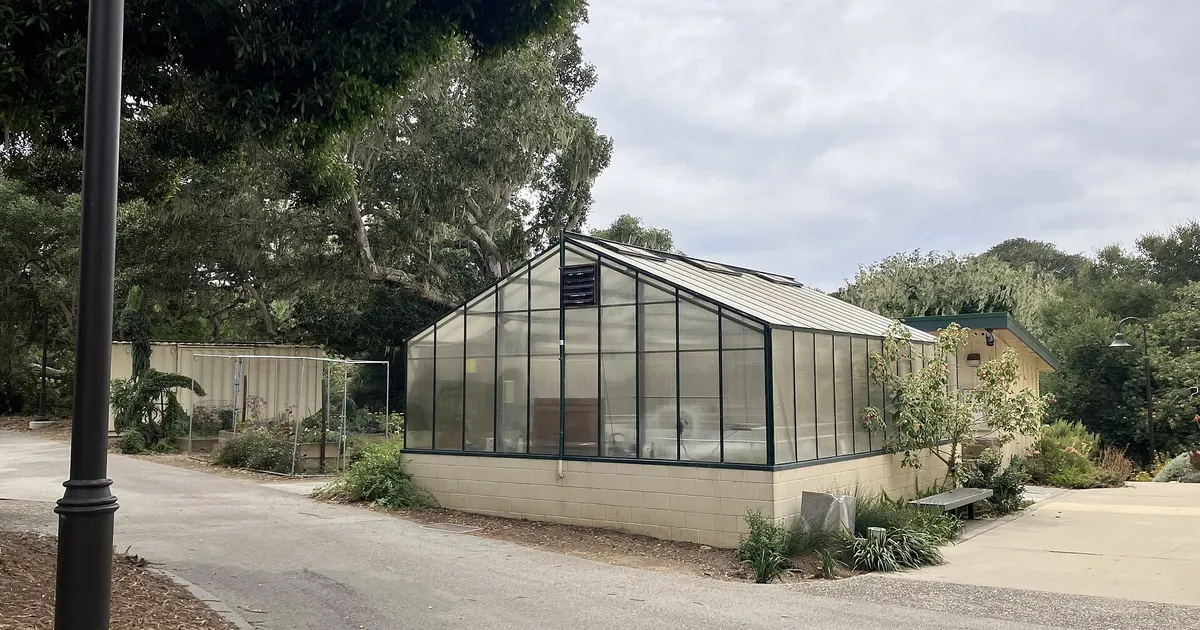
Greenhouses are having a moment in American agriculture, winning the indoor farming race while heavily funded vertical farming startups collapse.
Modern greenhouses pair free sunlight with hydroponics, climate control and robotic automation that runs from seeding through packaging, avoiding the crushing electricity bills that doomed vertical farms lit entirely by LEDs.
Controlled environment agriculture doubled between 2009 and 2019, and greenhouse-grown lettuce has increased fivefold in the past five years.
Demand for bagged salads, climate pressure on California farmland and supply chains shaken by the pandemic are all pushing growers under glass.
Greenhouse lettuce still costs about 50 percent more than field-grown alternatives, so producers lean on premium branding around local and pesticide-free produce.
High upfront capital and tariffs on imported Dutch greenhouse technology remain real hurdles.
Experts predict economies of scale will eventually let greenhouses replace the field-grown lettuce supply altogether.
Modern greenhouses pair free sunlight with hydroponics, climate control and robotic automation that runs from seeding through packaging, avoiding the crushing electricity bills that doomed vertical farms lit entirely by LEDs.
Controlled environment agriculture doubled between 2009 and 2019, and greenhouse-grown lettuce has increased fivefold in the past five years.
Demand for bagged salads, climate pressure on California farmland and supply chains shaken by the pandemic are all pushing growers under glass.
Greenhouse lettuce still costs about 50 percent more than field-grown alternatives, so producers lean on premium branding around local and pesticide-free produce.
High upfront capital and tariffs on imported Dutch greenhouse technology remain real hurdles.
Experts predict economies of scale will eventually let greenhouses replace the field-grown lettuce supply altogether.
Why It Matters
Free sunlight decides this race. On August 3, 80 Acres Farms sent around 300 workers home despite raising 115 million dollars the year before, and the collapse obeyed arithmetic every tower ignores: a Dutch high tech greenhouse already grows lettuce at 3.81 kilowatt hours per kilo, while the vertical farm best case bottoms out between 3.1 and 7.4 even after every expected improvement, FoodLore calculates. Automation deepened the hole wherever crop value ran thin, and crowded growers crushed their own prices on leafy greens, VerticalFarmDaily finds. Growers are answering with strawberries, which fruit for 9 to 12 months through the fall to spring window when outdoor supply dips.
Go Deeper
Read the original reporting at Ambrook.
Read Full Story at Ambrook →