How Cooperatives Could Build a Lasting Peace After War in Syria and Colombia
Trill News Briefing
The Story
Postwar peace agreements rarely last because they halt the fighting but leave the economic injustice beneath it, and cooperatives can build peace from below.
Azize Aslan, a Kurdish sociologist at the Mora Institute in Mexico City, points to Guatemala, where a 1996 accord ended a war that killed more than 200,000 people but never redistributed land.
More than 30 comprehensive peace deals since the Cold War have followed the UN model of disarmament and individual reintegration, trusting free markets to finish the job.
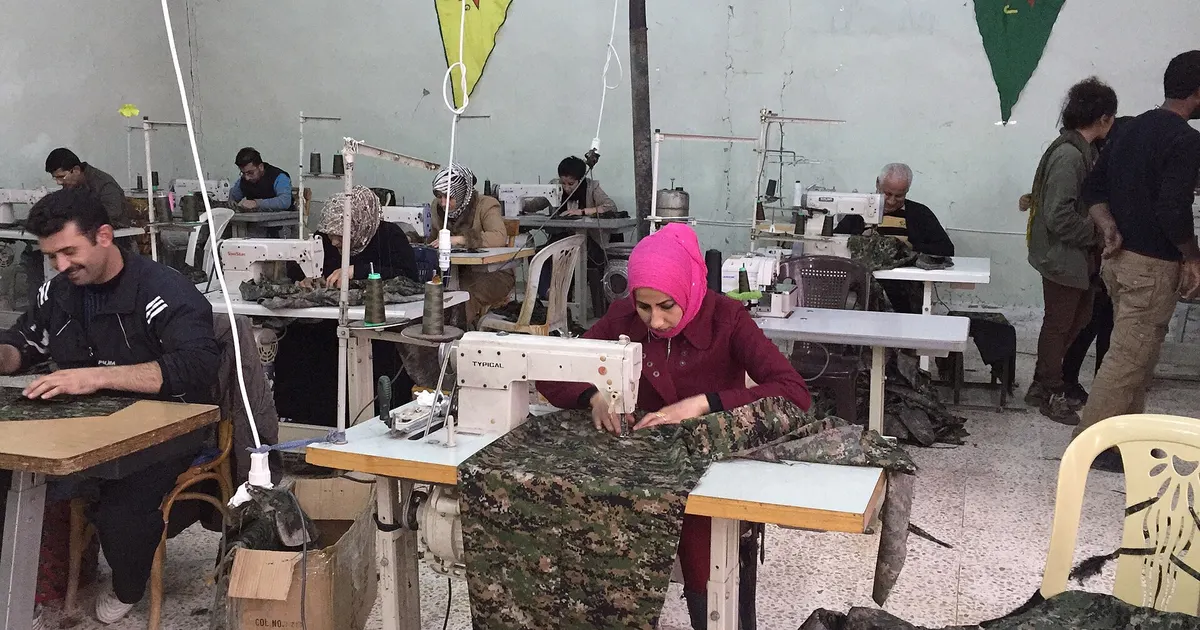
In Rojava in northeastern Syria, Aslan found communes running bread, dairy and women's preserve cooperatives, where residents worked until 2:30 p.m. and spent evenings deciding in assemblies.
In Colombia, the ECOMÚN federation puts about 6,200 former FARC fighters into cooperatives alongside peasant farmers and Indigenous and Black communities, though the land reform they fought for never came.
Both experiments are under pressure: a 2026 Syrian offensive stripped Kurdish forces of their autonomy, and ECOMÚN depends on state oversight and the capitalist market it hopes to move beyond.
Aslan argues that durable peace means giving people control over their time, land and economy, and she wants cooperatives on the table in Turkey's talks with the PKK.
Why It Matters
The argument arrives as Kurdish politics enters its integration phase on both sides of the border. Syria's government absorbed the Syrian Democratic Forces in August, moving fighters under the Defense Ministry and civilian staff into state ministries, with no word on communes or cooperatives, Al Jazeera reported. Turkey's August 10 law suspends some PKK sentences for five to 10 years and could free about 3,500 detainees, Al Jazeera found, yet it says nothing about land, jobs or local economies. Former fighters on both sides now face the Guatemalan question of what comes next. Colombia's accord, the template Aslan cites, turns ten on November 24, a checkpoint for whether its cooperatives hold.
Go Deeper
Read the original reporting at Aeon.
Read Full Story at Aeon →