The Gospel of Wealth: Harnessing Fortune for the Greater Good
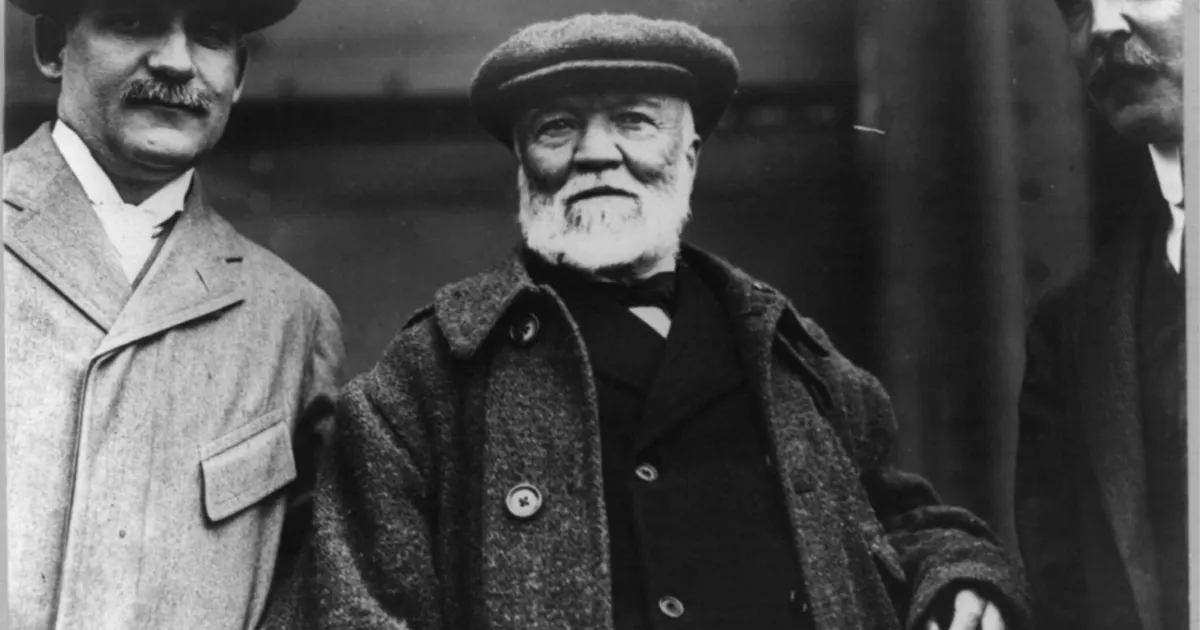
The Story
Andrew Carnegie's 1889 Gospel of Wealth argued that the rich should live modestly, provide for their dependents, and treat surplus wealth as a trust fund for the community, acting as agent and trustee for their poorer brethren.
A critical reading of that famous case for philanthropy challenges Carnegie's motivations rather than accepting them at face value.
Carnegie drew on Darwinian evolution and Francis Galton's eugenics theories, aiming to help humanity evolve toward what he saw as a more perfect race rather than simply relieving suffering, and he refused to fund what he considered lost causes, directing his fortune instead toward libraries, schools, and educational institutions.
His spirituality was equally ambiguous, since he remained skeptical of organized religion, later showed interest in the Baha'i faith without converting, and described in his autobiography an impersonal God working through natural laws.
Some claimed religious motives lay behind his giving, but the evidence points elsewhere.
The takeaway is that Carnegie's celebrated framework for philanthropy promoted progress and education grounded in the wisdom of men, a legacy that still shapes debates over how great fortunes should serve the public good.
A critical reading of that famous case for philanthropy challenges Carnegie's motivations rather than accepting them at face value.
Carnegie drew on Darwinian evolution and Francis Galton's eugenics theories, aiming to help humanity evolve toward what he saw as a more perfect race rather than simply relieving suffering, and he refused to fund what he considered lost causes, directing his fortune instead toward libraries, schools, and educational institutions.
His spirituality was equally ambiguous, since he remained skeptical of organized religion, later showed interest in the Baha'i faith without converting, and described in his autobiography an impersonal God working through natural laws.
Some claimed religious motives lay behind his giving, but the evidence points elsewhere.
The takeaway is that Carnegie's celebrated framework for philanthropy promoted progress and education grounded in the wisdom of men, a legacy that still shapes debates over how great fortunes should serve the public good.
Why It Matters
Carnegie's Gospel of Wealth urged the rich to hold surplus wealth in trust, and Andrew Carnegie largely practiced it: about $350 million, some 90 percent of his fortune, gone before he died HISTORY, much of it as 2,509 public libraries worldwide. The generosity carried edges. He judged in 1889 that 950 dollars of every thousand spent on charity were unwisely spent; 225 communities refused his library money rather than take it from the man whose Homestead lockout left nearly a dozen dead PBS. Today's billionaires inherit his argument more than his answer, still disputing how fast a fortune should leave before its owner does.
Go Deeper
Read the original reporting at Blue Skies and Green Pastures.
Read Full Story at Blue Skies and Green Pastures →