Success is not final, failure is not fatal: It is the courage to continue that counts.
Winston Churchill
Trill News
Arts Culture STEM Competition Saturday 6th December 2025 Industry Opinion Local Nations

Leaked Assessment Reveals Stalemate in Ukraine-Russia Conflict

The conflict between Ukraine and Russia shows no signs of abating in 2024, as both sides refuse to negotiate an end to the war, according to a leaked Defense Intelligence Agency assessment obtained by The Washington Post. The analysis suggests that even if Ukraine manages to recapture significant territory and inflict unsustainable losses on Russian forces, it would not lead to peace talks. The leaked document sheds light on the deep concerns within the U.S. national security establishment about the trajectory of the war. Critics of the war are calling on major powers like the United States and China to push for a settlement between Kyiv and Moscow. The assessment's findings could galvanize those efforts.

The assessment, based on detailed analysis of troop counts, weaponry, and equipment on both sides, highlights the potential for an ongoing costly conflict with limited territorial gains. The document suggests that a stalemate is the most likely scenario, where neither side achieves a decisive advantage. It predicts that Ukraine may face internal frustration and criticism due to the prolonged war, potentially leading to leadership changes. On the Russian side, Moscow is expected to integrate captured territories into Russia and rely on degraded reserves due to dwindling combat power.

While the leaked document provides valuable insights into the war's trajectory, caution is necessary due to the small sample size and the fluid nature of the conflict. The U.S. government continues to stand with Ukraine, providing support and equipment to bolster its position. However, the decision on when to negotiate ultimately rests with President Volodymyr Zelensky and the Ukrainian people.

The leaked assessment underscores the challenges of finding a resolution to the conflict, as the demands and positions of both Ukraine and Russia remain far apart. Despite international calls for negotiations, there is little progress, and both sides are preparing for escalated fighting in the coming months. The Biden administration remains skeptical about the value of peace negotiations and emphasizes Ukraine's right to fight to regain its territory. As the conflict continues, the humanitarian toll rises, displacing millions and causing immense loss of life.

The leaked document leak has sparked a significant reaction, with investigations underway and concerns raised about the broader implications for national security. While the assessment provides valuable information, its accuracy and nuanced analysis may evolve over time as the situation on the ground develops. Efforts to find a peaceful resolution to the conflict remain elusive, and the war's impact continues to be deeply felt by the people of Ukraine and the international community.

Doctors Use Brainwaves to Objectively Measure Chronic Pain

Neurologists have made significant progress in utilizing deep brain stimulation to measure and predict chronic pain intensity. Published in Nature Neuroscience, the study identified distinct brainwave patterns that objectively differentiate chronic pain from acute pain.

Chronic pain poses a challenge for doctors due to its subjective nature, but by analyzing brain signals, neurologists successfully predicted pain levels. The research aims to develop personalized brain stimulation therapy, offering relief to the 51.6 million Americans suffering from chronic pain.

Statistics from JAMA Network Open reveal that chronic pain rates rival those of prevalent health conditions such as diabetes, depression, and high blood pressure. Understanding how the brain processes acute and chronic pain is crucial for improving treatment outcomes.

The study involved four individuals with uncontrollable long-term pain, including stroke survivors and a phantom limb syndrome patient. Deep brain stimulation, typically used for neurological conditions, was employed for chronic pain for the first time. Electrodes were implanted in pain-associated areas of the brain—the anterior cingulate cortex and the orbitofrontal cortex.

Participants reported pain severity and quality over three to six months and triggered the electrode implants to record brain activity. Using these recordings and survey responses, a computer generated pain severity scores, with the orbitofrontal cortex playing a significant role in developing personalized neural signatures.

Differences between chronic and acute pain emerged, with changes in the orbitofrontal cortex strongly associated with chronic pain and the anterior cingulate cortex more related to acute pain. This highlights that chronic pain involves distinct brain circuits, going beyond being a prolonged version of acute pain.

Understanding these neurological distinctions offers hope for developing targeted brain stimulation therapies for severe discomfort, particularly in cases resulting from strokes and traumatic brain injuries.

While the study's results are fascinating, caution is advised due to the small sample size. Researchers plan to expand the study in phase two with more patients to validate the approach further. Surgical brain implants come with inherent risks, necessitating careful consideration. However, a future vision includes small wearable devices that can track brainwaves, revolutionizing pain management.

Objective measures for pain assessment and treatment hold immense potential, as they address the subjectivity and unequal treatment of pain. This study's pursuit of such measures has the power to transform the field of pain management.

NCAA's Cannabis Testing Changes Await Approval

In a surprising move, the NCAA's Committee on Competitive Safeguards and Medical Aspects of Sports has proposed halting cannabis testing at championship events. This potential change marks a significant departure from the organization's long-standing practice of conducting drug tests since 1986. The committee's recommendation is currently under review, with a final decision expected this fall.

The proposal comes as the United States is witnessing a growing number of states legalizing medical or recreational marijuana use. Recognizing this shifting landscape, the committee believes it is time to reevaluate the role of cannabis testing in collegiate sports.

Earlier this year, the committee already made some adjustments to its policies. It increased the threshold for a positive THC test, the psychoactive compound in marijuana, from 35 to 150 nanograms per milliliter. This change aligns with the standards set by the World Anti-Doping Agency. Importantly, the committee emphasized that marijuana and its derivatives are not considered performance-enhancing substances.

Instead of focusing solely on penalties, the committee suggests adopting a more comprehensive approach. It encourages schools to view positive cannabis test results as an opportunity to identify and address potential issues related to problematic cannabis use. Additionally, the committee intends to provide schools with further guidelines on managing cannabis-related matters.

In a separate proposal, the committee also aims to set a trace level for the hormone GW1516 at 0.1 nanograms per milliliter. This threshold is designed to prevent athletes from inadvertently ingesting the substance through contaminated supplements. GW1516, initially developed for diabetes treatment but discontinued in 2007, has been associated with positive doping tests in endurance-related sports.

Before these proposed changes can take effect, the legislation must be introduced and approved by all three NCAA divisions. Administrators in Divisions II and III had already requested a thorough examination of the issue, leading to the current review process.

As the NCAA explores potential adjustments to its cannabis testing policies, athletes and stakeholders across the country are closely watching the outcome. With more states embracing marijuana legalization, the organization faces the challenge of striking the right balance between upholding competitive integrity and acknowledging evolving societal norms.

Tracing the Evolution of Pi From Archimedes to Modern Computers

Pi, denoted by the Greek letter π, serves as a constant ratio between the circumference and diameter of a circle. This mathematical concept, introduced in 1706, finds its roots in the ancient Greeks' fascination with the precise value of pi, an approximation for which has been calculated by various mathematicians over the centuries.

The essence of pi lies in its application to circular objects, where the ratio of circumference to diameter consistently approximates 3.14. While the Greeks considered pi a universal wonder in flat geometry, its constancy faces challenges when applied to circles on curved surfaces.

Archimedes, an ancient Greek mathematician, approximated pi between 223/71 and 22/7, contributing to the understanding of this fundamental geometric constant. Over the centuries, mathematical advancements, including those by Chinese and Indian mathematicians, increased the precision of pi's calculation. Modern computers, as of August 2021, have extended the record to 62.8 trillion digits.

Despite its apparent simplicity, pi proved challenging to compute accurately. In the 1760s, Johann Heinrich Lambert established that pi's decimal expansion is irrational, lacking a repeating or terminating pattern. This characteristic, coupled with its fundamental geometric significance, contributes to pi's enduring allure and cultural influence.

Pi Day, celebrated on March 14 (3/14), showcases pi's impact on society. The day involves reciting pi's digits and enjoying round pies, emphasizing the connection between pi and circular shapes. Beyond celebrations, pi has inspired a literary style called "Pilish," where the number of letters in consecutive words corresponds to the decimal expansion of pi. Pilish has given rise to short poems and even an entire novel, contributing to the diverse manifestations of pi in culture.

The domestication of infinity and pi's role in calculus emerge as key aspects of its significance. Archimedes, in approximating pi through polygons with an increasing number of sides, laid the groundwork for understanding the calculus of curves and continuous changes. This mathematical strategy, taming infinity, became essential in various fields, from computer-generated imagery to audio streaming.

In essence, pi represents a mathematical limit—an aspiration toward the perfect curve and an acknowledgment of the unreachable nature of certain mathematical values. Its existence, clear and perpetual, underscores its profound impact on mathematics, culture, and the modern world.

The Ever-Evolving American Office: From Efficiency to Coziness

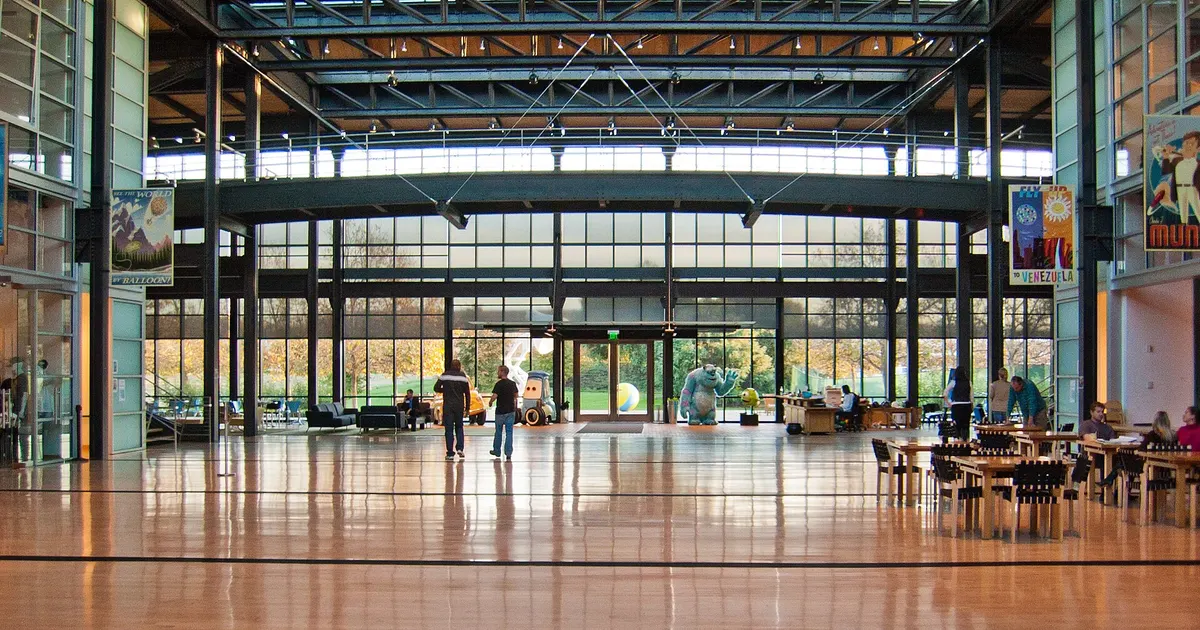
As we enter a new era of work, the physical office space is undergoing a rapid transformation. Architects and designers are reimagining the workplace to accommodate the hybrid approach to work that was accelerated by the pandemic. Gone are the days of rigid hierarchies and rows of desks. Instead, we now see reconfigured meeting rooms with conferencing technology, amenities and aesthetics reminiscent of fashionable hotels and coffee shops, and seating layouts based on workers' frequency of presence rather than headcount.

But how did we get here? The evolution of the office is a fascinating journey, rooted in the past. According to Agustin Chevez, an architect and workplace design researcher at Swinburne University of Technology, the office is an invention that can be reinvented. So, let's take a look at how the American office space has changed over the last 100 years and where it's headed next.

In the 1920s and 1930s, the focus was on maximizing efficiency. Corporations developed large bureaucratic structures, and office spaces were designed to mimic factory production lines. The Johnson Wax administration building, designed by Frank Lloyd Wright, exemplified this period with its open plan design, symbolizing modernity, productivity, and innovation.

After World War II, the desire for new architecture and corporate design led to the emergence of skyscrapers like the Seagram Building in Midtown Manhattan. These towering structures became symbols of progress and modernity for American corporations, shifting the center of an organization from the factory to the office building.

The 1960s brought the rise of the modern open plan office, emphasizing the spread of ideas and information. Office design shifted from a machine for paperwork to a loose arrangement of office space, breaking away from rigid hierarchies and walled offices. The Action Office by Herman Miller, the precursor to the modern cubicle, introduced modular furniture that allowed workplaces to adapt over time.

The 1970s witnessed the rise of computers and word processors, revolutionizing the office once again. Early office automation tools required designated areas to house the bulky machines, but they also initiated a return to centralized clerical work. The 1980s saw the introduction of isolating dividers and higher partitions to enhance privacy and communication.

By the 1990s, the cubicle became a symbol of the drudgery of office work, with movies like "Office Space" capturing the sentiment. The increasing use of the internet and networking technology disrupted the traditional model of a single worker tied to their desk. Companies experimented with novel office layouts, paving the way for flexible workstations and shared spaces.

The 2000s brought mobile technology and further changes to workspaces. Computers became smaller, and workstations shrank, promoting connectivity and interaction among workers. Tech giants like Google and Facebook constructed extravagant campuses with amenities to attract and retain talent.

In the aftermath of the 2008 financial crisis, a new trend emerged. Co-working companies like WeWork capitalized on the shift toward boutique arrangements with shared amenities, catering to freelancers and start-ups. Simultaneously, corporate America aimed for splashy mega offices to make a statement about their place in the market.

Today, as we navigate the 2020s and beyond, the answer lies in customization and flexibility. With a more hybrid and transient workforce, companies are adopting tailored approaches to office space. The emphasis is on accommodating the diverse needs of workers, whether it's productivity, collaboration, or quiet time. Interior design blends residential and commercial styles, creating spaces that feel homely and inspiring "hives of activity."

Ultimately, the goal is to entice people back to the office, making it a magnet rather than a mandate. Workplaces are being redesigned to offer a change of scenery and a space that feels distinct from home. The office of the future is all about customization, comfort, and creating an environment worth the commute.

As we reflect on the journey of the American office, one thing is clear: it has continually adapted to the changing needs and aspirations of workers. From maximizing efficiency to prioritizing collaboration and well-being, the office space continues to evolve, shaping the way we work and interact. So, as we embark on this new era, let's embrace the ever-changing landscape of the American office.

From Helicopters to Clones: The Quest for Perfect Seeds Takes Off

In a whimsical twist to the world of agriculture, scientists have taken to the skies in their trusty helicopters, embarking on an unconventional mission to produce high-yielding, resilient rice varieties. RiceTec, a renowned plant breeding company, has employed these nimble aircraft to blow pollen from one row of plants to another in the rice fields of Texas and Arkansas. It may sound like a scene from an action movie, but this costly and intricate process holds the promise of creating seeds that sprout into robust plants with unrivaled vigor. Welcome to the captivating realm of hybrid rice.

The magic behind hybrid vigor, the phenomenon responsible for the superior performance of hybrids, lies in the art of crossing two strains of inbred parents. While the exact reasons for their superiority remain a mystery, scientists believe that the genes from one parent outshine the weak, recessive genes from the other. This ingenious breeding technique has revolutionized crop yields, propelling the likes of maize and sorghum to new heights with a boost of up to 50%. Unfortunately, the creation of hybrid seeds is no walk in the park. It's a laborious and expensive process, limited to certain species.

Let's zoom in on rice, where the adventure begins with the development of plants that cannot self-pollinate. That's when the helicopters swoop in, playing their pivotal role in sweeping pollen from a second strain and ensuring a successful cross-pollination. But hold your applause, for this meticulous method must be repeated tirelessly for each new batch of seeds to preserve the desired traits. José Ré, the vice president of research at RiceTec, openly admits that it's far from a flawless system. So, here comes the million-dollar question: Is there a simpler, more efficient way to produce these coveted hybrid seeds?

Enter the world of apomixis, a wondrous natural process that allows certain plant species to reproduce clonally without the need for pollination. In 2019, an international team of scientists achieved an extraordinary feat by engineering a line of rice plants capable of clonal reproduction—a groundbreaking success story in the realm of crops. The thrill of discovery has since electrified the research landscape, with scientists worldwide striving to develop apomictic varieties of crops like sorghum, tomatoes, and alfalfa.

While the technology remains a work in progress, seed companies are watching these advancements like hawks. The potential revolution in hybrid seed production offered by apomictic reproduction could simplify the process, speed up the release of new varieties, and bring down costs. And let's not forget the potential impact on smallholder farmers in developing countries who struggle to access commercial hybrid seeds. Imagine their joy in saving seeds from their previous year's crop, empowering them with newfound self-sufficiency.

The journey to engineered apomixis has been an arduous one, with scientists unraveling the intricate genetic mechanisms governing this clonal reproduction and embryo development. Recent breakthroughs, such as identifying the BABY BOOM gene and introducing MiMe mutations, have propelled us closer to the dream of clonal seed production.

Yet, challenges still stand in our way. The technology requires further refinement to ensure flawless clonal seed production and to enhance the adaptability of hybrid varieties to different environmental conditions. Field trials are needed to gauge the performance of apomictic crops and their resilience in the face of challenges like drought.

As we progress through this captivating journey, we hold onto the hope that synthetic apomixis will one day grace the fields of farmers worldwide. The potential benefits are tantalizing, from increased agricultural efficiency to improved food security. Until that day dawns, the helicopters will keep soaring through the skies, playing their crucial role in the relentless quest for perfect seeds.

Honduran President Fires Security Minister Following Tragic Women's Prison Incident

Honduran President Xiomara Castro has taken swift action following a tragic incident at a women's prison that claimed the lives of at least 41 people. Castro fired the country's security minister, Ramón Sabillón, as she linked the violence to gangs and criticized the "acquiescence of security authorities." In her determination to regain control of the prison system, Castro appointed Gustavo Sanchez, the director of the Honduras National Police, as the new minister of security.

The deadly riot and fire broke out at the National Women's Penitentiary for Social Adaptation in Tamara, located northwest of the capital, Tegucigalpa. Honduran authorities are investigating the incident, and the death toll may rise as forensic teams work to identify the victims. Most of the bodies were burned beyond recognition, making identification a challenging task.

President Castro expressed her resolve to take drastic measures and hold those responsible accountable. She believes the riot was instigated by street gangs with the knowledge and acquiescence of security authorities. Delma Ordonez, head of an association representing inmates' families, stated that one gang had set fire to a rival gang's cell, resulting in significant damage to the prison facility.

The harrowing images and videos circulating on social media depict the aftermath of the incident, including stacked corpses and a massive cloud of smoke. The riot revealed the presence of weapons such as pistols and machetes inside the prison.

Honduras has a troubled history when it comes to prison safety. Similar incidents in the past, such as the prison fire in 2012 that claimed over 350 lives and the 2004 fire that killed at least 103 inmates, serve as reminders of the urgent need for comprehensive reforms to ensure the safety and security of prisoners.

Vice Minister of Security Julissa Villanueva emphasized that the government will not back down in its efforts to crack down on illegal activities within the prison system. With gangs wielding extensive control inside the prisons, there is a possibility that the riot was a retaliatory response to the government's campaign.

As investigations into this devastating incident continue, President Castro's actions highlight her commitment to addressing the challenges within the prison system and restoring order. The government's determination to bring about meaningful change and prevent future tragedies will be closely watched as the nation seeks justice and seeks to improve the well-being of its incarcerated population.

Americans Face Auto Loan Predicament as Vehicle Values Decline

A new report has shed light on a concerning trend among Americans seeking auto loans, as the value of their vehicles decreases while loan amounts continue to rise. In the wake of pandemic-induced price hikes, vehicle values have taken a hit, leading many borrowers to find themselves in loans exceeding the worth of their cars.

According to a study released by TransUnion and J.D. Power on Tuesday, the loan-to-value ratios (LTVs) for used cars have soared from 104 in the first quarter of 2021 to 125 in the same period this year. This means that borrowers are securing loans that surpass the value of their vehicles by 125%.

While this surge in LTVs may allow consumers to afford used vehicles in the face of rising prices, it also raises concerns about potential delinquencies in the future. The study suggests that negative equity, where debt surpasses the value of the car, has become increasingly common, with some individuals finding themselves entering car dealerships already $10,000 underwater.

Satyan Merchant, a senior vice president at TransUnion, highlighted the impact of rising vehicle prices and overall inflation on consumers. As prices continue to climb and inflation remains high, individuals are compelled to start with higher-than-average LTV positions in order to afford used vehicles.

The situation is further exacerbated by the expectation of a continued decline in vehicle values. This presents a red flag for lenders, as prolonged negative equity could lead to higher risks and challenges in loan repayment.

Merchant emphasized the importance of closely monitoring this situation for lenders, particularly due to the potential for accelerated depreciation, which may result in borrowers having negative existing LTVs for longer periods. This development calls for heightened vigilance in the lending industry.

As Americans navigate the complexities of auto loans amidst shifting vehicle values, it remains crucial for borrowers and lenders alike to be mindful of these challenges. Awareness of loan-to-value ratios and careful assessment of the evolving market dynamics will be essential in making informed decisions and mitigating potential financial risks.

NASCAR Investigates Radio Channel Hijacking Targeting Bubba Wallace

In a disturbing incident during Sunday's race at the North Wilkesboro Speedway, someone managed to infiltrate the team radio channel of Bubba Wallace, the only Black driver in NASCAR's top racing series. The perpetrator took the opportunity to deliver a hateful message, stating, "Go back to where you came from asshole. You're not wanted in NASCAR."

NASCAR, along with its security operation, is currently conducting an investigation to identify the individual responsible for hacking into Wallace's radio channel and the method employed to carry out the act. Despite the intrusion, Wallace, who drives for 23XI Racing, did not hear or acknowledge the comments during the race.

As of now, neither NASCAR nor 23XI Racing has made an official statement regarding the incident. Wallace, too, has not publicly addressed the situation. Following the race, he shared a video expressing disappointment at finishing second, remarking on his team's effort and acknowledging the stellar performance of the winning driver, Kyle Larson.

Wallace, NASCAR's sole Black driver, has been an outspoken advocate in recent years. In 2020, he boldly stood against racial injustice and police brutality, wearing an "I Can't Breathe" shirt and displaying a #BlackLivesMatter sticker on his car. He played a pivotal role in the successful campaign to ban the Confederate flag from all NASCAR events.

In the same year, an unsettling incident occurred when a noose was discovered in Wallace's garage at the Talladega Superspeedway in Alabama. While an FBI investigation concluded that it was not a hate crime, deeming the noose to be a pull-down rope for a garage door that had been there since 2019, it raised concerns due to its hangman's knot and the fact that only Wallace's garage had such a rope.

Bubba Wallace has consistently demonstrated courage and integrity, using his platform to shed light on social issues. His unwavering activism challenges the status quo, advocating for what he believes is right rather than being a matter of politics. As the investigation into the radio channel hijacking unfolds, the NASCAR community stands united against any form of discrimination and supports Wallace in his pursuit of justice.

Social Media Influencers Arrested in Mobile County with $3 Million Worth of Cocaine

In a shocking turn of events, two social media influencers have found themselves on the wrong side of the law. Racquelle Dolores Anteola, known by her stage name "Rahky," and Melissa Dufour, who goes by "melimacbarbie_" on Instagram and TikTok, were arrested in Mobile County for transporting a staggering 217 pounds of suspected cocaine. With a combined following of thousands, these emerging models and musicians have made headlines for all the wrong reasons.

The Mobile County Sheriff's Office made the arrest on June 1, after uncovering the illicit substance hidden beneath the floorboards of the Ford Expedition the duo was driving. The estimated street value of the seized cocaine is a jaw-dropping $2.1 million, making it one of the largest drug busts in the area.

Despite the compelling evidence, Rahky's attorney is vigorously defending his client, claiming she was merely a passenger caught in the wrong place at the wrong time. According to the attorney, Rahky is not guilty of cocaine trafficking but was simply along for the ride. Time will tell how this defense holds up in court.

As law enforcement interrogated the two women, conflicting stories emerged about their intended destination. Initially, their travel plans appeared vague, but it was later revealed that they were en route from Houston to Atlanta. The true purpose of their journey and the intended recipients of the massive drug shipment remain unclear.

Both Rahky and Melissa Dufour are currently facing charges of trafficking cocaine, a serious offense that could carry severe penalties. They are being held in the Mobile Metro Jail on exorbitant $1 million bonds, signaling the gravity of the accusations against them.

While these social media influencers may have cultivated a significant online presence, their newfound notoriety is far from glamorous. This incident serves as a stark reminder that appearances can be deceiving and that no one is above the law.

As the legal process unfolds, the world watches with bated breath to see how this high-profile case will develop. One thing is for certain: the consequences of this arrest will have far-reaching implications for Rahky, Melissa Dufour, and their once-bright social media careers.

Contact Us