Gene-edited Mustard Greens Hit the Market!
The Story
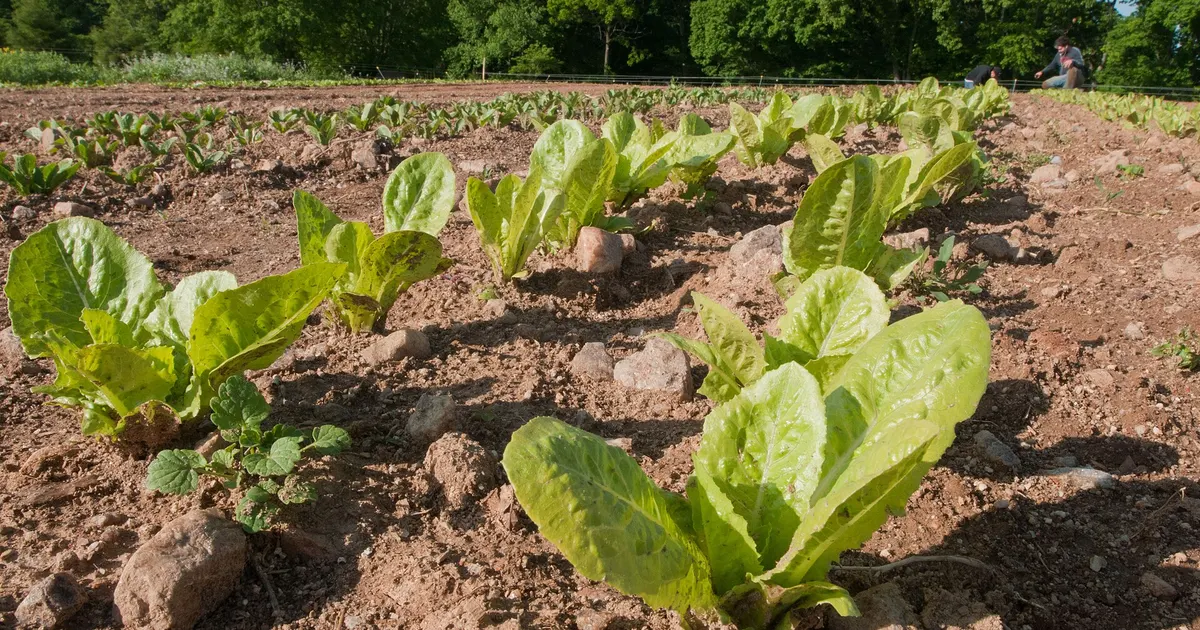
Biotech startup Pairwise brought the first CRISPR edited food to U.S. markets with Conscious Greens, a mustard green blend engineered to keep its nutrition and purple color while tasting like lettuce.
The company used CRISPR to soften the sharp bitterness of mustard greens, producing Conscious Greens Purple Power Baby Greens Blend with about double the nutrition of romaine and up to three extra days of shelf life.
After a foodservice launch in May, the greens were set to reach West Coast grocery stores through a partnership with retail broker RSquared Fresh Solutions.
Co founder Haven Baker described CRISPR as a way to make precise changes that add crop and consumer advantages such as convenience, shelf life, and better flavor.
Pairwise stressed that the product is non GMO because it contains no foreign DNA, functioning more like accelerated breeding than genetic modification.
The launch was widely watched as an early test of American consumer appetite for gene edited produce.
The company used CRISPR to soften the sharp bitterness of mustard greens, producing Conscious Greens Purple Power Baby Greens Blend with about double the nutrition of romaine and up to three extra days of shelf life.
After a foodservice launch in May, the greens were set to reach West Coast grocery stores through a partnership with retail broker RSquared Fresh Solutions.
Co founder Haven Baker described CRISPR as a way to make precise changes that add crop and consumer advantages such as convenience, shelf life, and better flavor.
Pairwise stressed that the product is non GMO because it contains no foreign DNA, functioning more like accelerated breeding than genetic modification.
The launch was widely watched as an early test of American consumer appetite for gene edited produce.
Why It Matters
Conscious Greens was a proof of concept, not a product. Pairwise pulled it from marketing in February 2024 to fund fruit with fatter margins, and the payoff is arriving: its soft seed, compact blackberry has already been sold to consumers in Colombia, the first edited blackberry on any shelf, with US grower field trials the stated 2026 milestone, per Pairwise. The company counts 25 Fulcrum licensees across more than 30 species, AgFunderNews reports. The bigger prize is Brussels: the European Parliament passed the NGT regulation on June 17, 2026, over last minute amendments meant to sink it, and the rules apply two years after publication. Watch the 2026 field trials, since American shelves are years off.
Go Deeper
Read the original reporting at Food Navigator USA.
Read Full Story at Food Navigator USA →