Genetic Improvement for Disease-resistant Chili Peppers
The Story
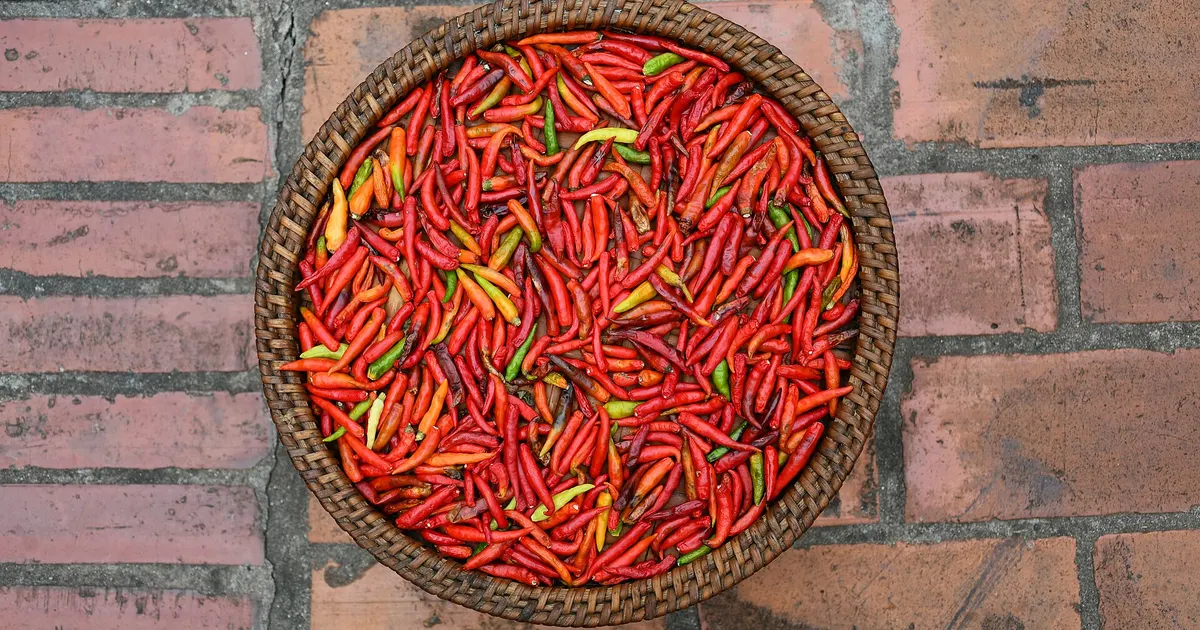
Genetic improvement is helping breeders develop disease resistant chili peppers to counter pathogens that cause major yield losses in Capsicum production worldwide.
Phytophthora capsici root rot ranks among the most destructive threats, alongside anthracnose, powdery mildew, bacterial wilt, root knot nematode, and viruses such as cucumber mosaic virus and pepper mottle virus.
Modern genomic tools accelerate the work, including genome wide association studies with SNP markers, QTL mapping, marker assisted selection using KASP assays, genomic selection, and CRISPR Cas9 gene editing.
The short arm of chromosome P5 emerges as a major genetic hotspot for Phytophthora resistance, and recent studies identified 117 significant marker trait associations across chromosomes 5, 7, and 11.
Breeding goals extend beyond resistance to yield, mechanical harvestability, capsaicinoid heat levels, and nutritional quality.
Researchers advocate combining genomics, transcriptomics, metabolomics, and proteomics to speed development of resilient cultivars that protect growers and reduce reliance on chemical fungicides.
Phytophthora capsici root rot ranks among the most destructive threats, alongside anthracnose, powdery mildew, bacterial wilt, root knot nematode, and viruses such as cucumber mosaic virus and pepper mottle virus.
Modern genomic tools accelerate the work, including genome wide association studies with SNP markers, QTL mapping, marker assisted selection using KASP assays, genomic selection, and CRISPR Cas9 gene editing.
The short arm of chromosome P5 emerges as a major genetic hotspot for Phytophthora resistance, and recent studies identified 117 significant marker trait associations across chromosomes 5, 7, and 11.
Breeding goals extend beyond resistance to yield, mechanical harvestability, capsaicinoid heat levels, and nutritional quality.
Researchers advocate combining genomics, transcriptomics, metabolomics, and proteomics to speed development of resilient cultivars that protect growers and reduce reliance on chemical fungicides.
Why It Matters
Resistance is a treadmill. Paladin, the bell pepper that carried southern New Jersey growers for two decades, appeared to be breaking down against Phytophthora capsici by 2020, a pathogen that has shrugged off mefenoxam and copper, Rutgers Cooperative Extension warned. Gene editing is the exit, and Europe opened it: the EU's New Genomic Techniques regulation, approved by the European Parliament on June 17, 2026 and in force from July 16, treats simpler edits as conventional, though organic producers stay locked out and herbicide tolerance traits fall into the stricter tier, the British Agriculture Bureau notes. Seed firms get a two-year implementation window, so the first edited pepper under the new rules cannot reach EU fields before 2028.
Go Deeper
Read the original reporting at Frontiers in Plant Science.
Read Full Story at Frontiers in Plant Science →